
Fuel Your Performance: Advanced Metabolism Science
Discover how optimized nutrition and metabolic science transform athletic potential into real-world results. Explore the science behind every meal and movement.
Impact by the Numbers
Improved Energy Output
Athletes report sustained energy through optimized carbohydrate timing and macro distribution.
Enhanced Recovery Speed
Proper protein intake and micronutrient balance accelerate muscle repair and reduce soreness.
Better Training Consistency
Stable blood sugar and nutrient availability support more effective workout sessions per week.
Metabolic Efficiency Gains
Strategic nutrient timing helps your body extract maximum value from every calorie consumed.
How Metabolic Optimization Transforms Athletes
Your metabolism is the engine that powers performance. Most athletes train hard but fuel inconsistently—creating a gap between effort and results. When you align nutrition strategy with your body's actual metabolic needs, everything changes.
Sports nutrition isn't about restriction or perfection. It's about understanding how different macronutrients, micronutrients, and meal timing work together to support your training phase, competition schedule, and recovery demands. The science shows that athletes who master metabolic awareness achieve faster adaptation, better endurance, and improved body composition.
Whether you're competing in rugby, athletics, cycling, or team sports, your nutrition blueprint must match your discipline. A sprinter's carbohydrate needs differ from an endurance athlete's. A power-based athlete's protein timing differs from a strength-focused lifter's. This page explores the key nutrition pillars that apply across sports, and how to apply them to your goals.
Learn More About Fueling Strategy
Key Performance Nutrition Pillars
Macronutrient Balance
Carbohydrates fuel intensity. Proteins rebuild muscle. Fats support hormone production and nutrient absorption. The right ratio—not strict percentages, but strategic timing—keeps your metabolism operating at peak efficiency. Learn how to adjust your macro split based on your training cycle and competition demands.
Hydration & Electrolyte Status
Dehydration kills performance faster than any other single factor. But it's not just water—electrolytes (sodium, potassium, magnesium) maintain cellular function, muscle contraction, and mental focus. Proper hydration strategy before, during, and after training ensures you never leave performance on the table.
Micronutrient Adequacy
Vitamins and minerals run every metabolic pathway—energy production, immune function, bone health, and oxygen transport. Athletes have higher micronutrient demands than sedentary people. Even small deficiencies (low iron, B vitamins, vitamin D) can tank your energy and recovery capacity.
Nutrient Timing & Periodization
Eating the same way every day ignores your training phases. Competition prep demands different fuel than off-season building. Hard training days require more carbohydrate and recovery support than lighter days. Matching your nutrition to your training calendar multiplies results exponentially.
Recovery & Adaptation Support
Training creates the stimulus for improvement, but adaptation happens during recovery. Anti-inflammatory foods, adequate protein, sleep support nutrition, and stress management accelerate the rebuild process. Without proper recovery support, even perfect training won't produce results.
Cognitive Performance Nutrition
Athletic performance isn't just physical—mental clarity, focus, and decision-making under fatigue matter enormously. Blood sugar stability, adequate omega-3 intake, and B-vitamin status directly affect concentration, reaction time, and tactical execution in competition.
Real Athletes, Real Results
Personalized Carb Loading Strategies
Athletes across South Africa are discovering that carbohydrate periodization (lower on recovery days, higher before intense training) produces better endurance and power output than constant high intake. When paired with race-week loading protocols, these strategies translate directly to competitive advantage.
Team-Based Nutrition Alignment
Competitive teams in South Africa are seeing remarkable improvements in consistency and injury prevention when all players follow aligned nutrition protocols. Standardized pre-training fueling, post-match recovery nutrition, and hydration schedules ensure every athlete recovers equally, reducing performance gaps across the squad.

Recovery Nutrition Optimization
Post-training nutrition timing dramatically affects the next day's performance. Athletes implementing structured post-workout protocols (carbohydrate + protein within 30-60 minutes) report reduced muscle soreness, faster strength return, and improved adaptation to volume—allowing more productive training weeks.

Mental Clarity Under Fatigue
Decision-making in the final minutes of competition depends on stable blood sugar and proper micronutrient status. Athletes who maintain consistent glucose availability and ensure adequate B-vitamin and magnesium intake report sharper tactical thinking, better press resistance, and improved composure when pressure peaks.
The Metabolic Transformation Process
Baseline Assessment & Food Tracking
Begin by documenting your current intake for 3-7 days. Track macronutrients (carbs, protein, fats), total calories, meal timing, and hydration. This reveals patterns—most athletes discover they're under-eating carbs before hard sessions, missing post-workout windows, or inconsistent in micronutrient coverage. Data beats assumptions.
Protocol Design & Training Alignment
Build a nutrition calendar that matches your training schedule. Identify hard training days, competition weeks, and recovery phases. Adjust macronutrient ratios for each phase. Design pre-training fuel, intra-workout hydration (if needed), and post-training recovery protocols that fit your specific sport and schedule.
Implementation & Micro-Adjustments
Execute the protocol for 2-4 weeks, tracking energy levels, performance metrics, recovery quality, and body composition changes. Make small tweaks—increase carbs slightly if energy drops, adjust protein timing if recovery lags, modify hydration if cramping occurs. Small, evidence-based changes compound into significant improvements.
Sustained Optimization & Competition Peak
Once your baseline protocol is dialed in, refine it seasonally. As training intensity increases toward competition, adjust micronutrient support and recovery nutrition accordingly. Use race-week protocols (strategic carb loading, sodium timing) that you've practiced extensively. Track everything—what works for you may differ from general guidelines.
Common Questions About Sports Metabolism
The research shows that athletes training hard benefit from 1.6–2.0 grams of protein per kilogram of body weight daily, distributed across 3–5 meals. This range supports muscle repair, recovery, and adaptation. A 75 kg athlete would target 120–150 grams per day. The key is consistency—hitting your target most days produces far better results than occasional high-protein days mixed with low-protein days. Timing matters too: consuming 20–40 grams of protein within a few hours after training accelerates muscle protein synthesis, especially when paired with carbohydrates.
Weight training emphasizes muscle building, so you need adequate protein and moderate-to-high carbohydrates to fuel lifting sessions. Calorie intake depends on goals—maintenance, build, or lean gain. Endurance athletes (runners, cyclists, rugby) require much higher total carbohydrate intake (5–12 grams per kilogram daily depending on session duration) to fuel long, sustained efforts. Recovery nutrition is critical for endurance athletes because they deplete glycogen severely. Team sport athletes fall somewhere in between—they need strong carbohydrate availability for high-intensity bursts, solid protein for strength maintenance, and comprehensive recovery because they play frequently.
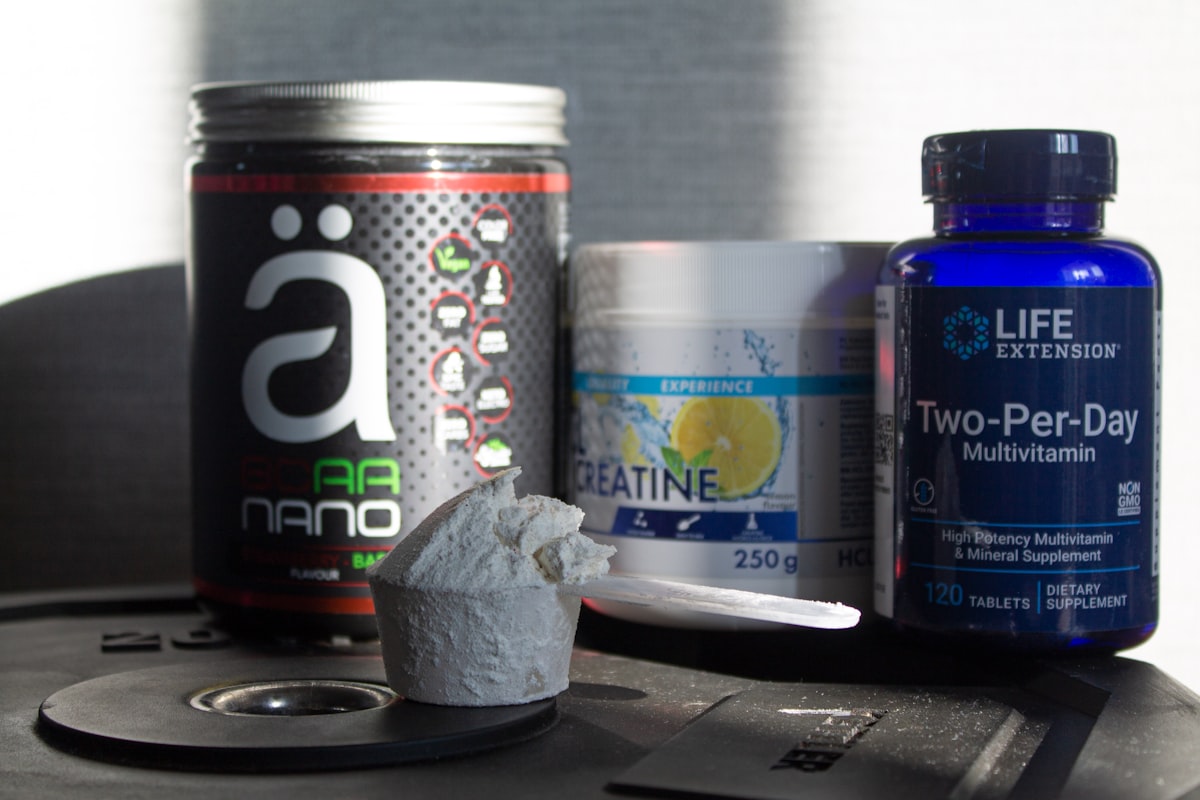
Whole food should always be your foundation. Chicken, eggs, fish, rice, potatoes, oats, beans, vegetables, and fruit provide all the macronutrients and most micronutrients athletes need. Supplements fill specific gaps—whey protein powder is convenient for post-workout when you can't eat solid food; electrolyte drinks support hydration during long training sessions; micronutrient supplements help if blood tests show deficiencies (low vitamin D, iron, B12). But supplements are exactly that: supplementary. Master your whole-food nutrition first, then use targeted supplements to optimize specific areas.
Energy crashes usually stem from low blood sugar. Prevent them by eating a balanced meal 2–3 hours before training (containing carbs, protein, and fat), or a small, easily digestible snack 30–60 minutes before (banana with peanut butter, toast with honey). During long training (over 90 minutes), consume 30–60 grams of carbohydrates per hour (sports drink, energy gel, banana) to maintain blood glucose. Avoid training fasted unless you're specifically practicing fasted adaptation. Post-training, prioritize recovery nutrition within 30–60 minutes to replenish glycogen and prevent next-day energy crashes.
Meal frequency matters less than total daily intake and timing around training. Some athletes thrive on three solid meals; others prefer four or five smaller ones. The key is spreading protein intake across the day (roughly 20–40 grams per meal) and aligning carbohydrates with training intensity. If you train twice a day, you might eat breakfast, pre-training snack, post-training meal, lunch, afternoon snack, and dinner. If you train once daily, three meals plus a post-workout snack works. Experiment to find what keeps your energy stable and your digestion comfortable during training.
In hot, dry South African conditions, sweat losses are high—especially during morning or afternoon outdoor sessions. A practical approach: drink 400–800 milliliters (16–32 ounces) of fluid per hour of training, depending on heat, humidity, clothing, and individual sweat rate. For sessions under 60 minutes, water is fine. For sessions over 60 minutes, include electrolytes and carbohydrates (sports drink with 6–8% carbs). Drink to thirst, but don't wait until you're extremely thirsty—by then, dehydration is already affecting performance. Post-training, drink 150% of your weight loss (if you lost significant weight, drink 1.5 liters) over the next 2–4 hours, consumed gradually with food and electrolytes.
What Elite Athletes Say
"Once I stopped guessing about my nutrition and started tracking what I actually ate, everything changed. My energy during training doubled, and my recovery times shortened dramatically. I'm performing at levels I didn't think were possible at my age."
Themba M.
Johannesburg | Distance Runner
"Our rugby squad implemented structured nutrition protocols, and the difference in consistency across matches was remarkable. Fewer players cramping, better focus in the last 20 minutes, and we're recovering faster between games. This is competitive advantage."
Jabu K.
Cape Town | Team Captain (Rugby)
"I was constantly tired and my body composition wasn't improving despite training hard. Fixing my micronutrient status and post-workout fueling was a game-changer. My energy stable, my lifts are stronger, and I'm building muscle efficiently."
Aisha P.
Pretoria | Strength Athlete
Stay Updated on Sports Nutrition Science
Join our community of athletes and receive evidence-based nutrition insights, training timing strategies, and performance articles delivered to your inbox.
No spam, unsubscribe anytime. Privacy policy included.
What Athletes Are Saying
Real results from real athletes using Supplementsportfuel products for performance optimization.
"The performance blend transformed my training sessions. I recovered faster and had consistent energy throughout my workouts. My gym PRs improved significantly within 3 weeks."
Marcus Johnson
Powerlifter, 5 years training
"As a competitive runner, I need supplements I can trust. Supplementsportfuel's formulations are transparent and the results speak for themselves. My race times have improved noticeably."
Sarah Chen
Marathon Runner, Boston Qualifier
"I was skeptical about supplements until I tried these. The muscle recovery formula actually works—less soreness, better sleep quality, and I feel stronger in my next session."
David Rodriguez
CrossFit Athlete, Games Qualifier
Frequently Asked Questions
Find answers to common questions about our supplements and how to use them effectively.
Timing depends on the supplement. Pre-workout formulas work best 20-30 minutes before training. Post-workout recovery products should be consumed within 30 minutes after exercise. Daily supplements like multivitamins can be taken anytime with meals. Our product labels include specific timing recommendations tailored to each formula.
Yes, all Supplementsportfuel products are third-party tested for quality, purity, and potency. We source ingredients from trusted suppliers and maintain strict manufacturing standards. Our facility is GMP-certified and we comply with all FDA regulations. Every batch undergoes rigorous testing before release.
Absolutely. Our supplements are designed to work synergistically. Many athletes stack our pre-workout with creatine and beta-alanine, or combine our recovery formula with protein powder. However, we recommend consulting our nutrition guide or speaking with a sports nutritionist to create a personalized stack based on your goals.
We offer a 30-day money-back guarantee on all unopened products. If you're not satisfied with your purchase, simply contact our customer service team within 30 days for a full refund. We stand behind our products and want you to have complete confidence in your purchase.
Results vary by product and individual factors. Pre-workout energy benefits are immediate. Strength and performance gains typically appear within 2-4 weeks with consistent use and proper training. Recovery improvements and endurance benefits often show within 3-6 weeks. Remember, supplements work best when combined with solid nutrition and training practices.
Ready to Elevate Your Athletic Performance?
Start your journey with science-backed supplements trusted by athletes worldwide. Join thousands who have already transformed their results.
Supplementsportfuel
Science-backed supplements designed for serious athletes and fitness enthusiasts.